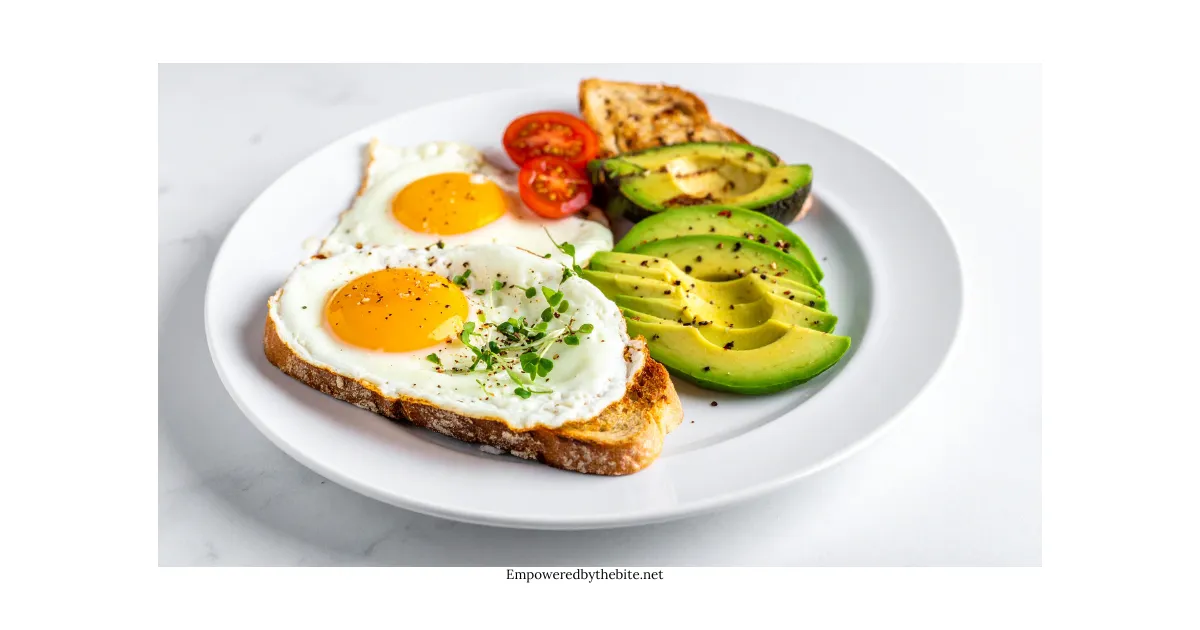
Start With Breakfast, and the Rest of the Day Follows
Start With Breakfast, and the Rest of the Day Follows
There's a reason I always start with breakfast, and it isn't the one you've heard.
You've been told breakfast is the most important meal of the day. That line has been repeated so many times it's stopped meaning anything, and it isn't even reliably true.
Here's the real reason.
Breakfast is the only meal of the day you make before the day has taken anything from you.
The day spends you
Think about what happens between seven in the morning and six in the evening.
Decisions. Hundreds of them. Work decisions, family decisions, small logistical ones nobody notices you making. The thing that came up at two o'clock that wasn't on anyone's calendar.
By dinnertime you are not the same person who stood in the kitchen at seven. You have less patience, less attention, and much less capacity to figure something out from scratch.
Which means the three meals of your day are not equally difficult. They get harder as the day goes on.
Breakfast is the easiest meal to change, because it's the one where you still have something left to change it with.
Why breakfast decides the afternoon
There's a physical piece to this too, and it's the part most women haven't been told.
When breakfast is light, or it's coffee and not much else, your body spends the rest of the day trying to catch up.
By mid afternoon you're reaching for something fast, and it feels like a discipline problem. By nine at night you're standing at the pantry, and by then you're certain it is.
It isn't. Your body spent the day underfed and it's collecting what it's owed.
The 3pm crash doesn't start at 3pm. It starts at 7am.
Which means fixing breakfast isn't really about breakfast. It's about removing the deficit that makes the rest of the day so much harder to manage.
Then lunch, because lunch decides the evening
Once breakfast is handled, lunch is the next domino.
And lunch has a particular problem that has nothing to do with nutrition.
Lunch is the meal you make for yourself.
Ask a woman over 40 what she made for dinner last night and she'll tell you in detail. The chicken, the vegetables, the thing she made because someone else likes it.
Ask what she had for lunch and the answer goes vague. She grabbed something. Leftovers, probably. She honestly can't remember.
That's not an accident. It's what happens after twenty years of being the person who feeds everyone else. The care goes outward. What's left over goes to you, standing up, in four minutes, between two other things.
And it matters, because lunch decides your afternoon and your afternoon decides your evening. Get lunch wrong and you're foraging by three, running on fumes by five, and making dinner decisions in a state where everything fast looks reasonable.
And then dinner, which is the hardest one
Dinner gets treated as the main event. In practice it's the meal where good intentions go to die.
Not because you stop caring by evening. Because by six o'clock you've made every decision you have in you, and this is the one you have the least left for.
That's why "just plan better" doesn't work. It isn't a knowledge problem. You've cooked thousands of dinners. You could make three things right now without a recipe.
It's a decision problem. And decisions are expensive at exactly the hour you have the fewest left.
Which is why dinner is the last one to fix, not the first. It's the meal that most needs the other two already handled, and it's the one where having a plan matters more than having information.
The same shape, three times
Here's what makes this manageable rather than overwhelming.
You don't need three different systems. You need one, applied three times.
Protein. Tells your body it's been fed.
Fiber. Slows everything down and keeps you full past the first hour.
Fat. Staying power, and it makes food taste like something you'd want again.
Every meal that holds you has all three. Most meals that leave you hungry an hour later are missing two of them, usually protein and fat, because those are the two we were all taught to fear.
Breakfast, lunch, dinner. Same three things. Different food.
That's not a diet. It's a shape. And once you can see it, you can look at any plate for the rest of your life and know what's missing.
Why the order matters
You could try to fix all three at once. Most plans ask you to.
I'd rather you didn't, and here's why.
Changing three meals at once means three chances a day to feel like you failed. Two days in, one of them goes badly, and now the whole thing feels like something you're already behind on.
Changing one meal means one thing to get right. And breakfast is the one you're most likely to actually manage, because you're doing it before the day has worn you down.
Then, once breakfast is automatic and requires no thought, you have capacity for lunch. And once lunch is handled, dinner is easier than it was, because you're no longer arriving at six o'clock already depleted.
One at a time, in the order the day actually runs.
What to do with this
If you take one thing from this, make it this:
Make one breakfast this week with all three. Protein, fiber, fat.
Then notice what happens at eleven o'clock.
Not how you felt about it. Not whether you did it perfectly. Just what your own body reports back two or three hours later.
That's the information you've actually been missing all along. Not another article. Not a better plan.
What happens at eleven.